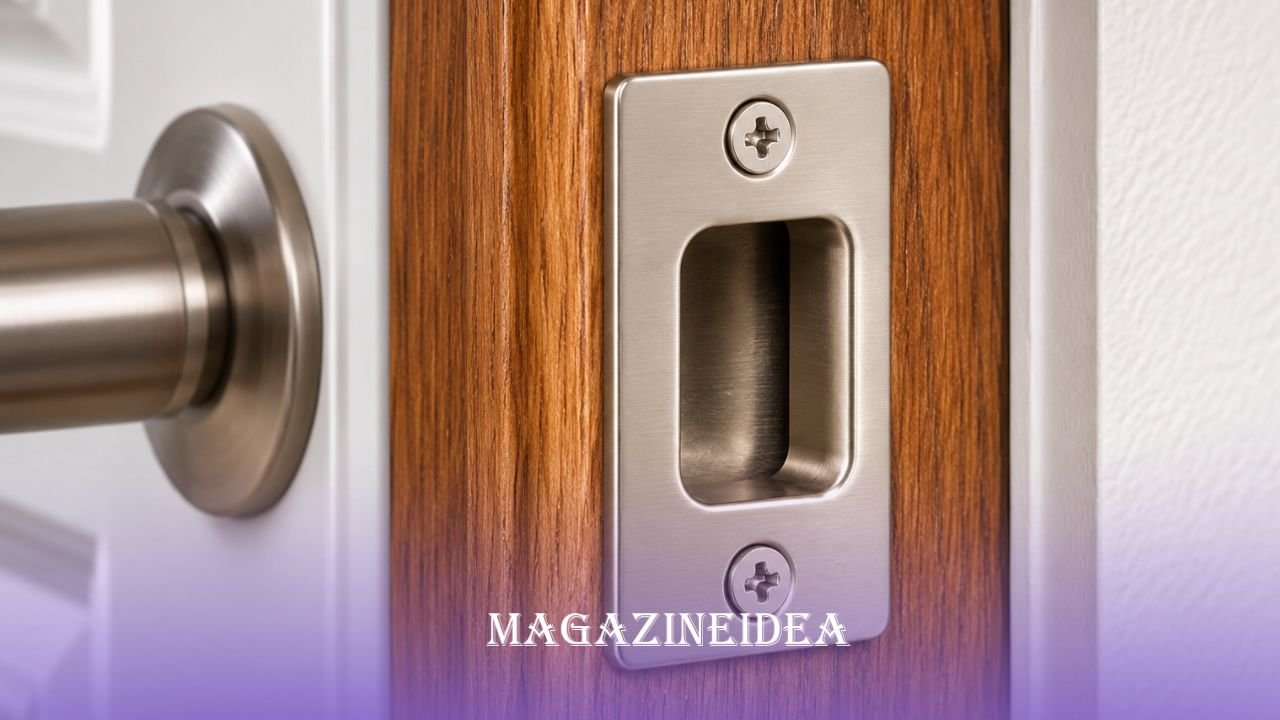
A door strike plate is an essential hardware component that improves door security and ensures smooth locking operation. It sits on the door frame and receives the latch or deadbolt when the door closes. Although small, this component plays an important role in protecting residential and commercial properties.
Modern locking accessories come in different materials, sizes, and designs to meet various security requirements. Choosing suitable hardware can improve door stability, prevent frame damage, and support reliable performance. Understanding its functions, installation methods, and maintenance requirements helps property owners make informed decisions.
| Feature | Details |
|---|---|
| Product Name | Door Strike Plate |
| Primary Function | Securing the door latch or deadbolt |
| Installation Location | Door frame or jamb |
| Common Materials | Stainless steel, brass, and zinc |
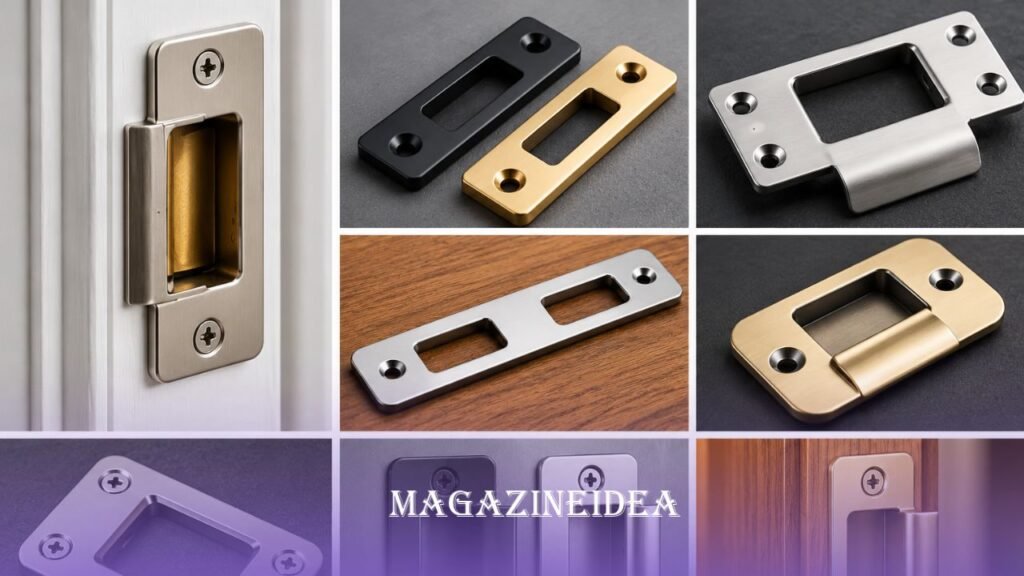
| Available Types | Standard, reinforced, electric, and adjustable |
| Main Purpose | Door security and stability |
| Common Finishes | Chrome, brass, nickel, and matte black |
| Applications | Residential and commercial doors |
| Compatibility | Latch locks and deadbolts |
| Installation Method | Screw mounting |
| Maintenance | Cleaning and alignment inspection |
| Security Level | Depends on construction and installation |
| Replacement | Required when damaged or worn |
What Is a Strike Plate and How Does It Work?
A Door Strike Plate is a metal fitting that attaches to the door jamb. It contains an opening that receives the latch or locking bolt. When someone closes the door, the latch enters this opening and holds the door securely in position.
The metal fitting also protects the surrounding wooden frame from repeated contact with the locking mechanism. Without proper alignment, doors may become difficult to close or lock. A correctly installed component supports smooth movement and reduces unnecessary pressure on surrounding hardware.
Different Types of Door Lock Plates
Standard latch plates are common in residential properties and interior rooms. Reinforced security plates provide additional strength for exterior entrances. Extended lip designs protect wider door frames, while adjustable models help resolve minor alignment problems between the latch and frame.
Electric strikes offer another option for buildings with electronic access control systems. These components work with compatible locking equipment to manage authorized entry. Each design serves a different purpose, making it important to consider door construction and security requirements before purchasing.
Best Materials for Door Security Hardware
Stainless steel remains a popular material because of its strength and corrosion resistance. It performs well in residential entrances and demanding commercial environments. Brass offers an attractive decorative appearance, making it suitable for traditional interiors and premium architectural designs.
Zinc-plated steel provides an affordable alternative for everyday applications. However, material thickness and construction quality influence overall durability. Homeowners should consider moisture exposure, usage frequency, and security needs when selecting hardware. Strong materials generally provide better resistance against everyday wear.
Benefits of Installing Quality Lock Hardware
Quality locking accessories improve door stability and help protect the frame from repeated impact. They also support proper latch engagement, reducing unwanted movement when the door closes. Reinforced models can provide additional resistance against forced entry when combined with suitable frames.
Another benefit involves improved locking performance and reduced maintenance requirements. Properly aligned components prevent unnecessary friction between moving parts. This can extend the useful life of surrounding hardware. Decorative finishes also allow homeowners to coordinate locking accessories with handles and hinges.
How to Choose the Right Strike Plate
Choosing suitable hardware begins with understanding the existing locking mechanism. Different latch and deadbolt designs require specific opening dimensions and mounting arrangements. Homeowners should check the manufacturer’s specifications to ensure compatibility with their doors and frames.
Material strength, finish, and installation requirements also deserve attention. Exterior entrances generally benefit from durable, reinforced components. Interior doors may require simpler designs for everyday operation. Selecting compatible hardware helps prevent alignment issues and supports reliable locking performance over time.
How to Install Door Frame Hardware
Proper installation begins with checking the condition of the door frame and existing lock. The replacement component should match the latch position and mounting requirements. Accurate alignment allows the locking mechanism to engage smoothly without creating unnecessary resistance during operation.
Use suitable fasteners and follow the manufacturer’s installation instructions. After installation, test the door several times to confirm smooth closing and secure locking. Professional assistance may prove useful when dealing with damaged frames, specialized security systems, or complicated installation requirements.
Common Problems With Door Locking Mechanisms
Misalignment is a common problem that affects door locking performance. Changes in temperature, loose hinges, and frame movement can prevent the latch from engaging correctly. These issues may cause sticking, rattling, or difficulty when closing and securing the entrance.
Loose screws and damaged metal fittings can also reduce stability. Corrosion may develop in areas exposed to moisture, particularly when hardware lacks suitable protection. Regular inspections help identify these problems early. Replacing damaged components can restore smooth operation and improve reliability.
Standard vs Reinforced Security Plates
Standard locking plates provide basic functionality for interior doors and everyday residential applications. Their compact designs suit bedrooms, bathrooms, and other internal spaces. They generally cost less and work effectively when security demands remain relatively low.
Reinforced models feature stronger construction and may include additional mounting points. They offer better support for exterior entrances when installed correctly. However, overall protection also depends on frame strength, lock quality, and installation standards. A complete security system provides more dependable results.
Maintenance Tips for Long-Lasting Performance
Regular maintenance helps keep door hardware in good working condition. Remove accumulated dust and dirt using a soft cloth. Check mounting screws periodically and inspect surrounding surfaces for visible damage. Keeping components clean can reduce unnecessary friction and support reliable operation.
Homeowners should also monitor changes in door alignment and locking performance. Unusual resistance may indicate loose hinges or movement within the frame. Addressing minor problems early can prevent expensive repairs. Replace damaged or heavily corroded fittings whenever they compromise proper functionality.
Conclusion
A reliable locking system requires strong, compatible, and properly installed hardware. Choosing suitable materials and designs can improve door stability, protect surrounding frames, and support everyday security. Reinforced fittings offer additional benefits for entrances that require stronger protection.
Homeowners should prioritize construction quality, compatibility, and regular maintenance when selecting replacement components. Proper installation helps ensure smooth operation and long-term durability. Investing in dependable door hardware provides practical benefits for residential and commercial properties.
Read This Also: Black Garage Doors: A Complete Guide to Styles, Benefits, and Modern Designs
Frequently Asked Questions
What is the purpose of a strike plate?
It receives the latch or deadbolt, protects the door frame, and supports secure locking operation.
What is the best material for door locking hardware?
Stainless steel offers excellent durability, strength, and corrosion resistance for many residential and commercial applications.
Do reinforced locking plates improve home security?
Yes, reinforced models can improve resistance against forced entry when combined with strong frames and suitable locks.
Why does my door latch not align properly?
Loose hinges, frame movement, temperature changes, or incorrect installation can cause alignment problems.
When should I replace my door latch plate?
Replacement becomes necessary when the component develops significant corrosion, cracks, deformation, or damage that affects locking performance.
Visit Magazineidea for more blogs.