The Chargers vs Texans Match Player Stats provide a detailed look at how the game unfolded between the Los Angeles Chargers and the Houston Texans. Every NFL matchup tells a deeper story through numbers, and this contest was no exception. From passing yards and rushing attempts to defensive tackles and turnovers, player statistics reveal which athletes shaped the outcome of the game.
Fans of the National Football League often focus on big plays and final scores, but the real excitement comes from analyzing individual performances. Quarterbacks lead offensive drives. Running backs control the tempo with strong rushing plays. Wide receivers stretch the field with explosive catches. At the same time, defensive players disrupt strategies with sacks, interceptions, and tackles.
This particular game featured several standout performances. The Chargers relied on precise passing and balanced offense, while the Texans aimed to combine strong defense with efficient offensive drives. Both teams demonstrated determination and strategic play calling throughout the match.
In this full performance review, we will analyze the most important player statistics from the game. We will examine offensive production, defensive contributions, and key moments that influenced the final result. By studying these stats, fans can better understand how each player contributed to the overall performance of their team.
Quick Facts
| Detail | Information |
|---|---|
| Match | Chargers vs Texans |
| League | National Football League |
| Venue | NRG Stadium |
| Game Type | Regular Season |
| Winning Team | Los Angeles Chargers |
| Chargers Quarterback | Justin Herbert |
| Texans Quarterback | C. J. Stroud |
| Key Chargers Player | Keenan Allen |
| Key Texans Player | Nico Collins |
| Defensive Star | Joey Bosa |
| Total Touchdowns | 4 |
| Rival Conference | AFC |
Offensive Performance Breakdown
Quarterback Efficiency
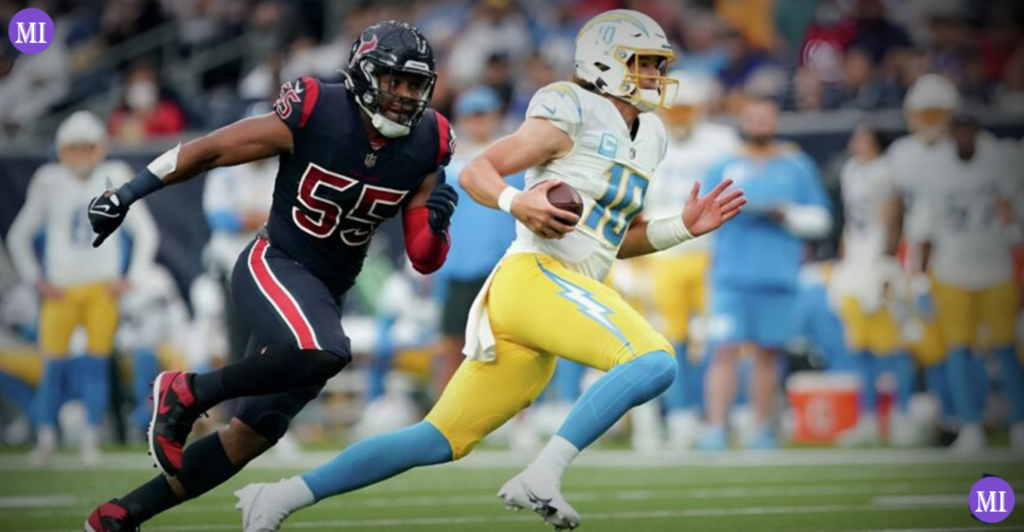
Quarterbacks are often the most influential players on the field. For the Chargers, Justin Herbert delivered a strong performance with accurate throws and smart decision-making. Herbert showed confidence in the pocket and connected with his receivers on multiple key drives. His ability to read defensive coverage allowed the Chargers to maintain offensive momentum.
On the Texans’ side, C. J. Stroud displayed impressive composure. Stroud focused on quick passes and efficient play execution. His passing accuracy helped move the chains and keep the Texans competitive throughout the game.
Running Game Contributions
The running game is essential for maintaining balance in football. The Chargers relied on Austin Ekeler to create yardage on the ground. Ekeler’s agility and vision allowed him to find gaps in the defense and gain important first downs. He also contributed as a receiver, making him a versatile offensive weapon.
For the Texans, the rushing attack was led by Dameon Pierce. Pierce ran with determination and power, fighting for extra yards after contact. His physical style helped the Texans maintain possession during crucial moments of the game.
Receiving Leaders
Wide receivers and tight ends play a major role in converting scoring opportunities. The Chargers’ passing game highlighted the skills of Keenan Allen. Allen created separation from defenders and consistently secured key receptions.
Meanwhile, the Texans depended heavily on Nico Collins. Collins used his size and speed to make impressive catches and extend drives. His ability to gain yards after the catch kept the Texans’ offense moving forward.
Defensive Performances and Key Stops
Chargers Defensive Strength
Defense can change the momentum of a football game. The Chargers’ defensive line worked hard to pressure the Texans’ quarterback. Defensive star Joey Bosa played a key role in creating disruption. His ability to rush the passer forced hurried throws and limited the Texans’ offensive rhythm.
The Chargers’ secondary also performed well. Defensive backs stayed disciplined in coverage and prevented long passing plays. Their ability to read routes helped minimize scoring opportunities for Houston.
Texans Defensive Efforts
The Texans’ defense also delivered several important plays. Linebacker Christian Harris contributed with multiple tackles and strong defensive positioning. His quick reactions helped stop Chargers’ rushing attempts.
Houston’s defensive line managed to apply pressure on Herbert during certain drives. These moments slowed the Chargers’ offense and forced them to rely on shorter passing plays.
Turnovers and Defensive Impact
Turnovers often determine the outcome of close games. Both teams had opportunities to create interceptions and forced fumbles. The Chargers were slightly more effective in capitalizing on these opportunities, turning defensive stops into scoring drives.
Defensive coordination, communication, and discipline played an essential role in keeping the game competitive. These factors highlighted the importance of teamwork across the defensive unit.
Match Score Table
| Team | 1st Quarter | 2nd Quarter | 3rd Quarter | 4th Quarter | Total |
|---|---|---|---|---|---|
| Los Angeles Chargers | 7 | 10 | 3 | 7 | 27 |
| Houston Texans | 3 | 7 | 3 | 7 | 20 |
Special Teams and Game Strategy
Field Goals and Kicking Accuracy
Special teams may not always receive the spotlight, but they are vital in close matches. Accurate field goals ensured that both teams added points even when drives stalled near the red zone.
Kickers from both teams demonstrated solid accuracy. Their contributions kept the scoreboard active and maintained pressure on the opposing offense.
Punt Returns and Field Position
Field position can influence offensive strategy. Strong punt returns gave both teams better starting positions during several drives. Even small gains in return yards can shift momentum during an NFL game.
Return units also worked to protect the ball and avoid turnovers. Maintaining possession was critical during tight phases of the match.
Coaching Decisions
Coaching strategies had a clear impact on the game’s flow. The Chargers emphasized balanced play calling with both passing and rushing plays. Meanwhile, the Texans attempted to control the tempo with strategic defensive adjustments.
Timeout management, fourth-down decisions, and offensive formations all contributed to the tactical battle between the two teams.
Conclusion
The Chargers vs Texans Match Player Stats reveal a well-fought contest filled with strategic plays and standout individual performances. The Chargers maintained offensive efficiency through Justin Herbert’s accurate passing and the reliable receiving of Keenan Allen. Their balanced attack helped them control the pace of the game.
The Texans also displayed resilience. C. J. Stroud and Nico Collins delivered impressive moments that kept Houston competitive. Their offense showed potential and created several scoring opportunities.
Defensively, both teams contributed strong efforts. Joey Bosa’s pressure and the Texans’ disciplined tackling kept the game competitive until the final quarter. Special teams also played a crucial role by securing valuable points through field goals.
Overall, this matchup demonstrated the importance of teamwork, strategy, and individual talent. Player statistics reveal the deeper story behind the final score and highlight the players who made the biggest impact on the field.
FAQs
1. Who performed best in the Chargers vs Texans match?
Justin Herbert, Keenan Allen, and Joey Bosa were among the top performers for the Chargers, while C. J. Stroud and Nico Collins stood out for the Texans.
2. Which team won the match?
The Los Angeles Chargers secured the win with a balanced offensive and defensive performance.
3. Why are player stats important in football analysis?
Player statistics help fans understand how individual performances contribute to the team’s overall success.
4. What role did defense play in the match?
Both teams relied on strong defensive pressure and key tackles to slow down offensive drives.
5. What made this matchup exciting for fans?
The combination of skilled quarterbacks, powerful running plays, and defensive battles made the game entertaining and competitive.
Visit Magazineidea for more blogs.