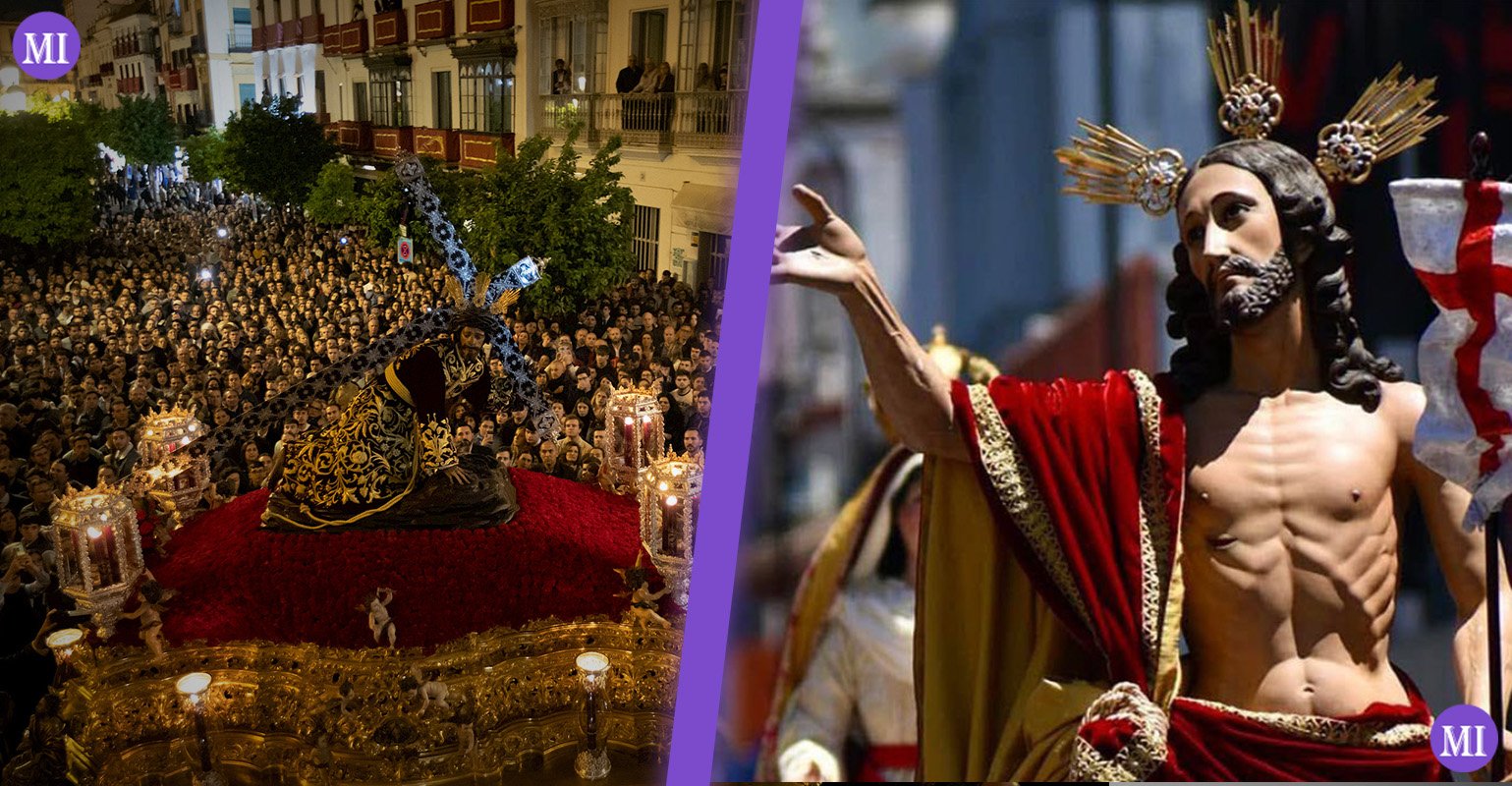
Semana Santa 2025 is one of the most important religious observances for Christians around the globe. Known in English as Holy Week, it commemorates the final days of Jesus Christ’s life, including his crucifixion and resurrection. In 2025, Semana Santa will be observed during the week leading up to Easter Sunday in April.
From solemn processions in Spain to colorful street traditions in Latin America, this sacred week blends faith, culture, and history. Each country adds its own unique customs while honoring the same spiritual message. Whether you are planning to travel or simply want to understand its significance, here is everything you need to know about Semana Santa 2025.
Quick Facts
| Field | Details |
|---|---|
| Event Name | Semana Santa 2025 |
| Meaning | Holy Week |
| Observed By | Christians Worldwide |
| Dates | Week Leading up to Easter Sunday, April 2025 |
| Begins With | Palm Sunday |
| Ends With | Easter Sunday |
| Major Celebrations | Spain, Mexico, Guatemala, Philippines, Brazil |
| Key Day | Good Friday |
| Traditions | Processions, Prayers, Reenactments, Street Carpets |
| Public Holidays | Observed in Many Countries |
| Cultural Blend | Religious and Local Customs |
| Travel Notes | Book Accommodations Early, Respect Local Customs |
The Meaning and Importance of Semana Santa
A Sacred Christian Tradition
Semana Santa marks the final week of Lent and leads to Easter Sunday. It begins with Palm Sunday and ends with the celebration of the Resurrection. For Christians, this period represents sacrifice, reflection, and renewal of faith.
Church services during Holy Week often include special prayers, readings, and reenactments of biblical events. Many believers fast or participate in acts of charity. The mood varies from solemn remembrance on Good Friday to joyful celebration on Easter Sunday.
The spiritual focus remains consistent worldwide. However, the cultural expressions differ greatly. This combination of faith and local heritage makes Semana Santa a powerful and diverse global event.
Semana Santa in Spain
Processions and Historic Brotherhoods
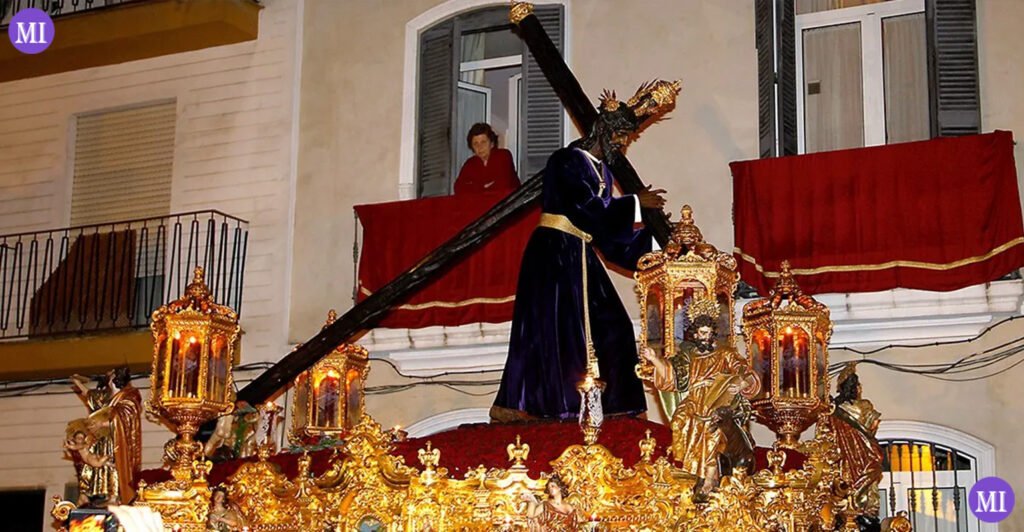
Spain is famous for its dramatic Holy Week processions. Cities such as Seville and Málaga host elaborate parades organized by religious brotherhoods. Participants wear traditional robes and carry large religious floats called “pasos.”
These floats often depict scenes from the Passion of Christ. The atmosphere is emotional and deeply spiritual. Music from marching bands echoes through narrow streets. Thousands of visitors gather each year to witness these traditions.
For travelers, Spain offers one of the most visually powerful Semana Santa experiences. It combines centuries-old rituals with strong community participation.
Semana Santa in Latin America
Faith, Color, and Community
Latin American countries celebrate Holy Week with vibrant traditions. In Mexico, towns stage live reenactments of biblical events. Communities gather in large numbers to participate in or observe these performances.
In Guatemala, intricate carpets made of colored sawdust decorate the streets before processions pass over them. These artistic displays require days of preparation and symbolize devotion and creativity.
Meanwhile, in Brazil, celebrations blend Catholic traditions with local cultural influences. Church services are central, but music and food also play a role in family gatherings.
Across Latin America, Semana Santa is both a spiritual event and a major social occasion. Schools and businesses often close, allowing families to spend time together.
Semana Santa in the Philippines and Beyond
Unique Asian Observances
In the Philippines, Semana Santa is observed with intense devotion. Some communities hold long processions, while others perform dramatic reenactments. Many Filipinos travel to their hometowns during this week, making it one of the busiest travel periods of the year.
Other countries, including Italy and parts of the United States, also hold special services and parades. While the scale may vary, the message remains the same: remembrance, faith, and hope.
Semana Santa 2025 will once again unite millions of believers across continents. Despite cultural differences, the shared spiritual meaning creates a global sense of connection.
Travel Tips for Semana Santa 2025
Planning Ahead
If you plan to attend major events, book accommodations early. Popular destinations like Seville often fill up months in advance. Wear comfortable clothing and respect local customs during religious ceremonies.
Semana Santa is not just a tourist event. It is a deeply meaningful time for participants. Observing respectfully ensures a positive experience for everyone.
Conclusion
Semana Santa 2025 is more than a religious holiday. It is a global expression of faith, culture, and community. From the grand processions of Spain to the artistic street carpets of Guatemala, each country honors the same sacred story in its own way.
This Holy Week invites reflection and renewal. It also brings families and communities together. Whether experienced in person or observed from afar, Semana Santa remains one of the most meaningful traditions in the Christian calendar.
As 2025 approaches, preparations will begin worldwide. For believers and travelers alike, it promises to be a powerful and unforgettable week.
FAQs
Q1. When is Semana Santa 2025?
It will take place during the week leading up to Easter Sunday in April 2025.
Q2. What does Semana Santa mean?
It means “Holy Week” in Spanish and commemorates the final days of Jesus Christ’s life.
Q3. Which countries celebrate Semana Santa?
Many countries, including Spain, Mexico, Guatemala, Brazil, and the Philippines, observe it.
Q4. Why are processions important during Holy Week?
They symbolize remembrance of biblical events and express community devotion.
Q5. Is Semana Santa a public holiday?
Yes, in many predominantly Christian countries, parts of Holy Week are official public holidays.
Visit Magazineidea for more blogs.