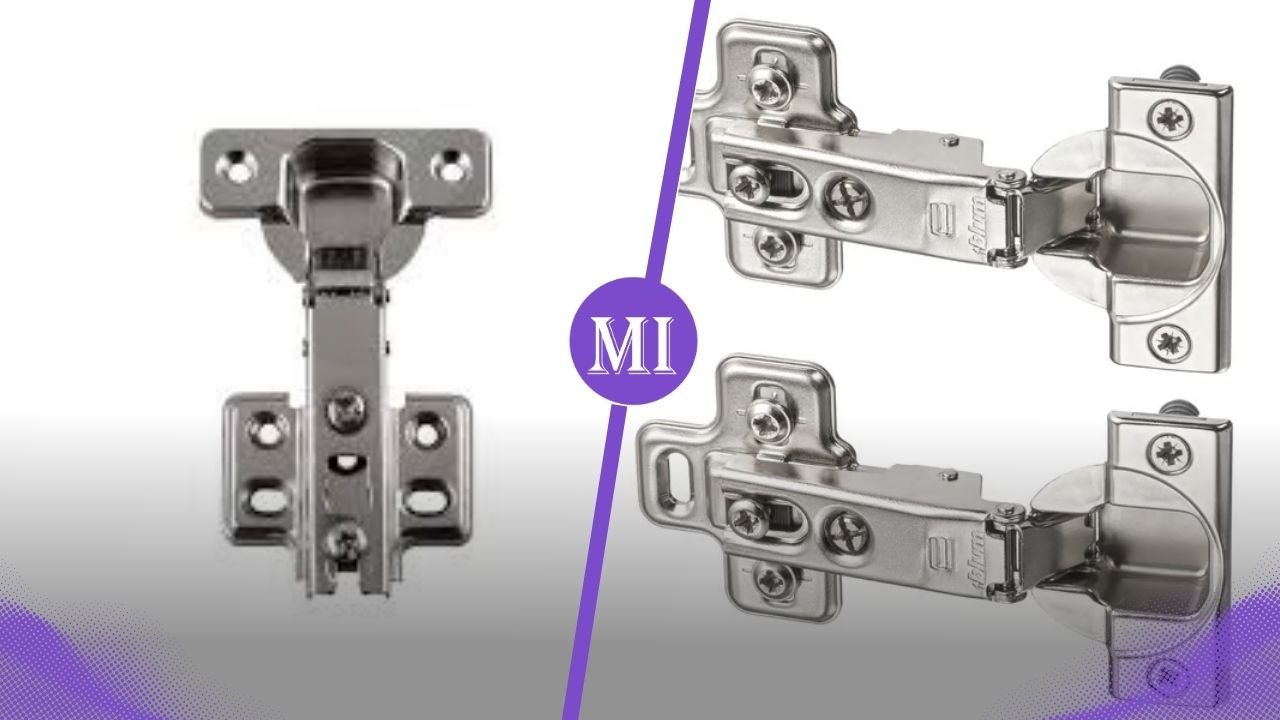
Cabinet door hinges are one of the most essential yet often overlooked components in modern furniture design. Whether in kitchens, bathrooms, offices, or wardrobes, hinges determine how smoothly a cabinet door opens and closes, how long it lasts, and how well it aligns with the overall design aesthetics. In today’s interior hardware industry, cabinet hinges are not just functional components but also contribute significantly to durability, noise reduction, and visual appeal.
From traditional wooden cabinets to modern modular kitchens, hinges have evolved into advanced engineering components offering features such as soft-closing mechanisms, concealed fittings, and adjustable alignment systems. Understanding their types, functionality, and installation process can help homeowners, designers, and carpenters make informed decisions for long-lasting performance.
This comprehensive guide explores everything about cabinet door hinges, including their types, working mechanisms, installation techniques, maintenance tips, and benefits in modern furniture design.
Quick Facts
| Field | Details |
|---|---|
| Main Keyword | cabinet door hinges |
| Article Type | SEO Guest Post |
| Focus Area | Home Improvement & Hardware |
| Target Audience | DIY Enthusiasts, Homeowners, Carpenters |
| Tone | Professional, Engaging, Informative |
| Word Count | ~2000+ Words (Condensed Guide) |
| Structure | Introduction, 4 Main Sections, Conclusion, FAQs |
| Key Benefit | Practical Knowledge, Installation Tips, and Maintenance Guidance |
| SEO Focus | High Search Visibility, Readability, and Keyword Optimization |
| Language Style | Simple, Clear, and Grammatically Correct |
| Use Case | Blog / Magazine Guest Post |
| Category | Interior Hardware & Furniture Design |
| Content Goal | Educate Readers, Provide Actionable Information, and Improve Search Rankings |
| Primary Topics Covered | Hinge Types, Installation Methods, Adjustment Techniques, and Buying Guide |
| User Intent | Informational and Practical Learning |
| Content Optimization | SEO-Friendly Headings, Natural Keyword Placement, and Easy-to-Read Formatting |
Understanding Cabinet Door Hinges and Their Importance
What Are Cabinet Door Hinges?
Cabinet door hinges are mechanical bearings that connect the door to the cabinet frame, allowing controlled rotation. They ensure that doors open and close smoothly while maintaining proper alignment. Modern hinges also include damping systems that prevent slamming, making them ideal for both residential and commercial spaces.
At a basic level, hinges consist of two metal plates joined by a pivot point. However, advanced models include springs, hydraulic systems, and adjustable screws that enhance performance and flexibility.
Why Cabinet Hinges Matter in Interior Design
The importance of hinges goes beyond simple movement. They influence:
- Durability of cabinets: High-quality hinges prevent sagging and misalignment.
- Aesthetic appeal: Hidden hinges offer a clean, modern look.
- Noise reduction: Soft-close systems eliminate loud door slams.
- Functionality: Smooth opening improves user experience in daily use.
Poor-quality hinges can lead to frequent repairs, uneven doors, and reduced cabinet lifespan. Therefore, selecting the right hinge is crucial in any furniture project.
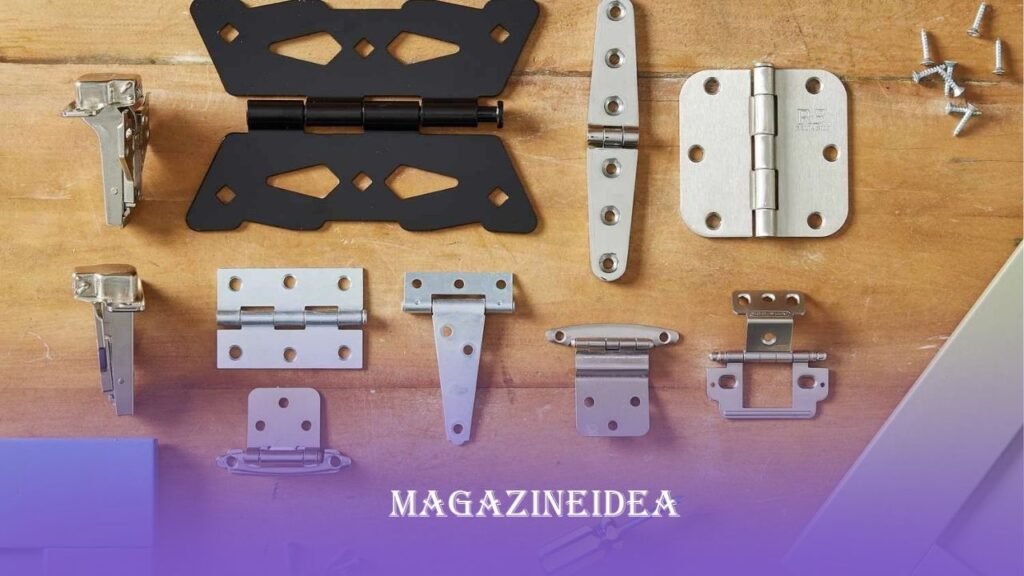
Types of Cabinet Door Hinges and Their Applications
Concealed Hinges (European Hinges)
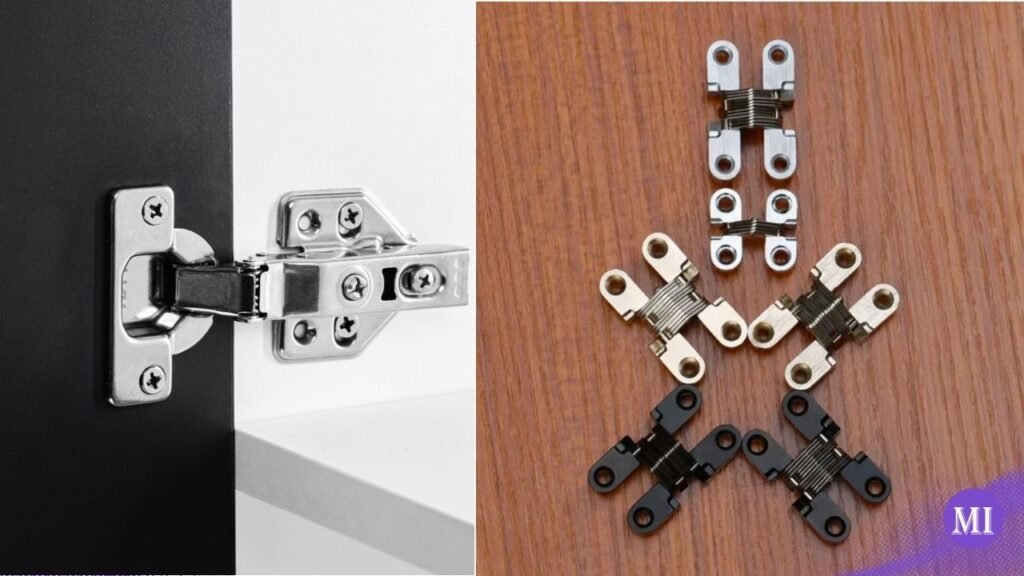
Concealed hinges are widely used in modern cabinetry due to their invisible installation. These hinges remain hidden when the cabinet door is closed, providing a sleek and minimalist appearance.
They are commonly used in kitchen cabinets and wardrobes where aesthetics matter. Additionally, they offer adjustability in three directions: height, depth, and side alignment.
Butt Hinges
Butt hinges are one of the oldest and simplest types. They consist of two rectangular metal plates joined by a pin. One plate is attached to the door and the other to the cabinet frame.
These hinges are strong and durable, making them suitable for heavy wooden doors. However, they remain visible when installed.
Soft-Close Hinges
Soft-close hinges are designed with hydraulic mechanisms that slow down the closing speed of cabinet doors. This prevents slamming and reduces wear and tear over time.
They are highly popular in modern kitchens and luxury furniture setups because of their smooth and quiet operation.
Pivot Hinges
Pivot hinges allow doors to rotate from a single pivot point at the top and bottom rather than the side. These are commonly used in specialty cabinets and designer furniture pieces.
They offer a unique opening style but require precise installation.
cabinet door hinges
Installation Process and Best Practices
Preparing for Installation
Before installing cabinet door hinges, proper planning is essential. Measure the cabinet frame accurately and determine hinge placement based on door weight and design.
Required tools include:
- Drill machine
- Screwdriver
- Measuring tape
- Pencil for marking
- Hinges and screws
Proper alignment is critical to ensure smooth movement and prevent long-term damage.
Step-by-Step Installation Guide
- Mark hinge positions on both cabinet door and frame.
- Drill pilot holes carefully to avoid wood splitting.
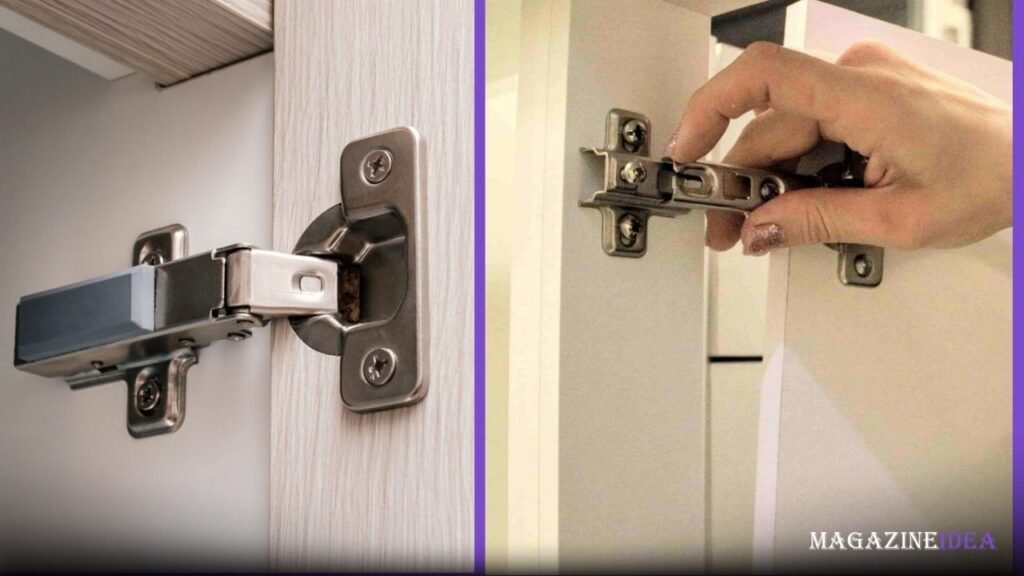
- Attach hinge cups (for concealed hinges) into the door.
- Fix the hinge plate onto the cabinet frame.
- Align and tighten screws gradually.
- Test door movement and adjust alignment if needed.
Modern adjustable hinges allow fine-tuning even after installation, making the process easier for beginners.
Common Installation Mistakes to Avoid
- Incorrect measurements leading to misalignment
- Over-tightening screws causing hinge damage
- Ignoring door weight requirements
- Improper leveling of cabinet frame
Avoiding these mistakes ensures long-term durability and smooth functionality.
Maintenance and Longevity of Cabinet Hinges
Regular Cleaning and Lubrication
Dust and grease can affect hinge performance over time. Regular cleaning with a dry cloth helps maintain smooth operation. Applying light machine oil or silicone spray reduces friction and noise.
cabinet door hinges
Checking Alignment Periodically
Cabinet doors may loosen over time due to frequent use. Checking alignment every few months ensures proper adjustment. Most modern hinges include screws for easy fine-tuning.
Signs of Wear and Replacement
Common signs include:
- Squeaking noises
- Loose or sagging doors
- Rust or corrosion
- Difficulty in closing properly
Replacing hinges at the right time prevents further damage to cabinet structures.
Advantages of Using High-Quality Cabinet Door Hinges
Enhanced Durability
Premium hinges are made from stainless steel or nickel-plated materials, ensuring resistance to rust and long-term wear.
Improved User Experience
Smooth opening and closing mechanisms enhance daily usability, especially in kitchens and frequently used storage areas.
Aesthetic Flexibility
Modern hinge designs allow for hidden installation, contributing to clean and elegant interior designs.
Noise-Free Operation
Soft-close systems eliminate loud noises, making living spaces more peaceful and comfortable.
cabinet door hinges
Cost Efficiency in the Long Run
Although high-quality hinges may cost more initially, they reduce repair and replacement costs over time.
Conclusion
Cabinet door hinges play a crucial role in the functionality, durability, and aesthetics of furniture systems. From traditional butt hinges to advanced soft-close concealed mechanisms, the evolution of hinge technology has significantly improved modern cabinetry design.
Choosing the right hinge type, ensuring proper installation, and performing regular maintenance can greatly extend the life of cabinets while enhancing user experience. Whether for home kitchens, office furniture, or custom interior projects, investing in quality hinges is a smart decision that ensures long-term performance and visual appeal.
Understanding cabinet door hinges is not just about hardware—it is about improving everyday living through better design, smoother operation, and lasting reliability.
FAQs
Q1: What are cabinet door hinges used for?
They are used to connect cabinet doors to frames, allowing smooth opening and closing motion.
Q2: Which type of hinge is best for kitchen cabinets?
Soft-close concealed hinges are considered best for modern kitchen cabinets due to their smooth and silent operation.
Q3: How long do cabinet hinges last?
High-quality hinges can last anywhere from 10 to 20 years depending on usage and maintenance.
Q4: Can I replace cabinet hinges myself?
Yes, most cabinet hinges are DIY-friendly and can be replaced using basic tools and proper measurements.
Q5: Why do cabinet doors become loose over time?
Frequent use, poor installation, or low-quality hinges can cause doors to loosen over time.
Q6: Do all cabinet hinges support adjustment?
No, only modern adjustable hinges allow multi-directional alignment adjustments.
Q7: How can I stop cabinet hinges from squeaking?
Regular lubrication with light oil or silicone spray helps eliminate squeaking noises.